What Matters Most When Everything Else Changes
I grew up on a wheat farm in North Dakota.
And one thing you learn pretty quickly growing up on a farm is that you can do everything right and still have a pretty tough year.
You can prepare the ground. Plant the seed. Work from sunrise to sunset.
And then it doesn’t rain.
Now what?
Well, you get up the next morning and figure out what needs to be done.
My parents understood that. They lived it.
And while I didn’t fully appreciate those lessons growing up, I can tell you they’ve stayed with me throughout my career.
Because leadership pillars have a lot in common with farming.
You can have a great plan, talented people, and all the resources you think you need.
And then something happens that nobody expected.
A customer changes direction. The market shifts. A business gets acquired. A career takes an unexpected turn.
Suddenly, the plan you were so confident about doesn’t look quite as good as it did yesterday.
That’s when you find out what kind of leader you really are.
Not when everything is going according to plan.
When it isn’t.
Leadership Gets More Complicated as You Grow
Here’s something I’ve noticed about successful people.
Early in our careers, we spend a lot of time proving what we can do.
We learn our jobs. We solve problems. We work hard. We deliver results.
And when we do those things well, somebody eventually says, “Hey, I think you could lead a team.”
That’s exciting.
It’s also where things start getting interesting.
Because the very things that made you successful as an individual don’t necessarily make you successful as a leader.
When you’re responsible for your own work, you can often solve a problem by working harder.
Stay late. Make another call. Figure out the answer.
But when you’re responsible for 10 people, or 100 people, or an entire organization, you can’t solve every problem yourself.
Believe me, you can try.
But you’re going to wear yourself out, and you’re probably going to frustrate a few people along the way.
At some point, leadership stops being primarily about what you can accomplish.
It becomes about what you can help other people accomplish.
And that requires a different way of thinking.
Over the years, I’ve come to believe there are five things that make an enormous difference in how we lead.
I call them the five pillars of leadership.
Not because they’re complicated.
But because when everything else changes, these are the things I keep coming back to.
1. Belief: You Can’t Lead People Somewhere You Don’t Believe They Can Go
I want you to think about a leader you really respected.
Someone who made a difference in your career.
Chances are, that person saw something in you.
Maybe they challenged you to take on something you weren’t sure you could handle.
Maybe they gave you an opportunity before you had all the experience.
Or maybe they simply told you that you were capable of more.
Now think about what happened next.
Did you start seeing yourself differently?
I know I did.
I’ve been fortunate to have people throughout my life who believed in me.
My parents were the first.
And later, I worked with leaders who trusted me with opportunities I never would have imagined growing up on that farm.
But here’s what I’ve come to understand.
Belief isn’t just something we need when we’re young or starting our careers.
We need it throughout our lives.
Even experienced leaders have moments when they wonder whether they’re up to the challenge.
The bigger the opportunity, the easier it can be to focus on everything that might go wrong.
And when you’re leading other people, your doubts don’t exist in isolation.
People notice.
They notice whether you believe in the direction you’re taking.
They notice whether you trust them.
And they notice whether you genuinely think the team is capable of succeeding.
I’m not suggesting you pretend everything is wonderful when it isn’t.
That’s not leadership.
But there’s a big difference between acknowledging a difficult situation and convincing everyone that failure is inevitable.
One creates an opportunity to move forward.
The other takes the wind out of people’s sails before they even begin.
Leadership is the transfer of belief.
And the more responsibility you have, the more important that becomes.
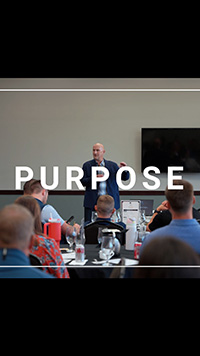
2. Purpose: Eventually, Success Stops Being Enough
Let me ask you something.
Have you ever worked incredibly hard to accomplish a goal, finally achieved it, and then wondered why it didn’t feel quite the way you expected?
Maybe it was a promotion.
Maybe it was a financial milestone.
Maybe it was getting the job you’d been working toward for years.
You reach the goal.
You celebrate.
And then, a little while later, you start thinking about the next one.
I’ve seen that happen with a lot of successful people.
And I think there’s a reason.
Achievement is important. There’s nothing wrong with wanting to succeed.
But at some point, many of us begin asking a different question.
Not just, “What can I accomplish?”
But, “What difference am I making?”
That’s where purpose comes in.
And I don’t think purpose is something you discover once and then never have to think about again.
It evolves.
What mattered most to you when you were building your career may be different from what matters to you today.
Maybe you once wanted to prove you could lead a successful business.
Now you’re more interested in helping the next generation of leaders succeed.
Maybe you’ve accomplished things you never thought possible, but you’re beginning to wonder what you want the next chapter of your life to look like.
Those are important questions.
And they’re not just personal questions.
They’re leadership questions.
Because when you understand what matters to you, you lead differently.
You make decisions differently.
You begin thinking about the people who will benefit from the work you’re doing.
And you recognize that the greatest measure of success may not be what you accumulate.
It may be what you contribute.
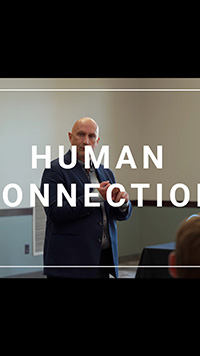
3. Human Connection and Relationships: The Higher You Go, the More You Need People
There’s something a little ironic about leadership.
As your responsibilities grow, you can become more isolated.
You have more meetings. More decisions. More people depending on you.
And sometimes fewer people you feel comfortable talking to.
I’ve seen leaders become so focused on the business that they gradually lose touch with the people who make the business work.
Not because they don’t care.
Because they’re busy.
I understand that.
But here’s the problem.
You can’t lead people effectively if you don’t really know them.
You might know their responsibilities.
You might know their performance numbers.
You might even know exactly what they’re supposed to accomplish this quarter.
But do you know what motivates them?
What they’re worried about?
What they hope to accomplish?
Do they feel comfortable telling you when they disagree?
Or do they tell you what they think you want to hear?
Those questions matter.
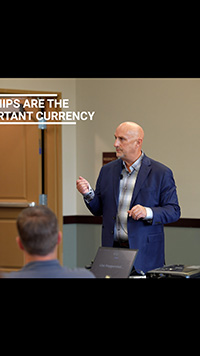
Because leadership is built on relationships.
And relationships require time.
Not just time in meetings.
Time being genuinely interested in another person.
I think about all the people who’ve helped me throughout my life.
Some gave me advice.
Some opened doors.
Some challenged me when I needed it.
And some were simply there during difficult moments.
I wouldn’t be where I am without them.
And neither would most successful people I know.
So here’s something worth remembering as your career grows.
Don’t become so busy building your business that you forget to build relationships.
Because when the title changes, the project ends, or the next chapter begins, those relationships are often what remain.
And they may turn out to be the most valuable part of the entire journey.
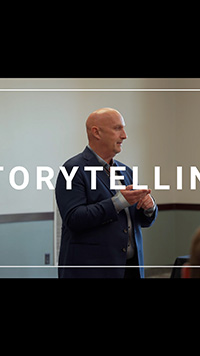
4. Storytelling: People Need More Than a Plan
I’ve spent a lot of time in business meetings.
And I’ve seen some pretty impressive presentations.
Beautiful slides.
Detailed financial models.
Strategies that probably took months to develop.
But I’ve also seen people walk out of those meetings without really understanding why they should care.
Now, that’s a problem.
Because a strategy doesn’t accomplish anything sitting in a presentation.
People have to believe in it.
They have to understand where they’re going.
And they have to see how they fit into the picture.
That’s where storytelling comes in.
When I talk about storytelling, I’m not talking about standing in front of a room and entertaining people.
Although a little humor certainly doesn’t hurt.
I’m talking about helping people connect with an idea.
Helping them understand why something matters.
Think about how you explain a difficult change to your team.
You can walk everyone through the organizational chart.
You can explain the financial reasons.
You can show them the timeline.
And all of that may be necessary.
But people are also wondering what the change means for them.
Will they still have an opportunity to grow?
Will the work they’ve invested in still matter?
What are they being asked to believe about the future?
If you can’t answer those questions, you’re going to have a difficult time bringing people along.
A good leader connects the business strategy to the human story.
Where have we been?
What have we learned?
Where are we going?
And why is this next chapter worth pursuing together?
When people can see themselves in that story, something changes.
They stop thinking only about what they’re being asked to do.
They begin thinking about what they can help create.
Facts inform. Stories move.
And the best leaders understand that you need both.
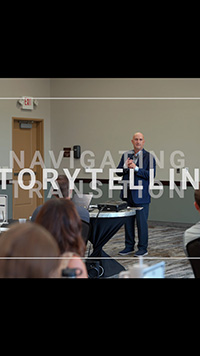
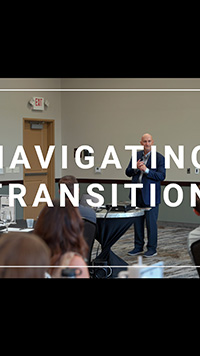
5. Navigating Transition: The Leader You Were Yesterday May Not Be the Leader You Need to Become Tomorrow
I’ve had some pretty significant transitions in my life.
Growing up on a farm in North Dakota and eventually working in the technology industry certainly wasn’t a straight line.
And along the way, I learned that every new opportunity comes with something unexpected.
You have to let go of a few things.
Sometimes it’s an old way of working.
Sometimes it’s a familiar routine.
And sometimes it’s the idea that you’re supposed to have everything figured out.
That’s a difficult one for leaders.
Especially successful leaders.
Because when you’ve spent years building expertise, it’s uncomfortable to suddenly find yourself in a situation where you don’t know all the answers.
But that’s what growth often feels like.
Uncomfortable.
Uncertain.
A little scary.
And sometimes pretty exciting.
I think one of the biggest challenges leaders face during transition is believing that the skills that brought them this far should be enough to carry them through whatever comes next.
Sometimes they are.
But sometimes the next chapter requires you to become a different kind of leader.
Maybe you need to listen more and direct less.
Maybe you need to spend less time solving problems and more time developing people who can solve them.
Maybe you need to stop measuring your value by how much you personally accomplish.
And start measuring it by how much the people around you are growing.
That’s not always easy.
But it’s necessary.
Because the world changes.
Organizations change.
People change.
And we have to be willing to change, too.
The good news?
You don’t have to figure everything out before you take the next step.
You just have to be willing to keep learning.
The Five Pillars Become More Important as Your Responsibilities Grow
Here’s what I find interesting about these five pillars of leadership.
They’re not really about your position in an organization.
They’re about how you influence people.
Think about a leader who’s responsible for a small team.
That leader needs to build belief, establish purpose, develop relationships, communicate clearly, and help people navigate change.
Now think about someone leading a large organization.
Different scale.
Different challenges.
But the same fundamental responsibilities.
The difference is that the larger your organization becomes, the less you can accomplish through your own direct actions.
You need other people to lead.
And you need those people to help others lead.
That’s when the five pillars become even more important.
Because belief can spread.
Purpose can bring people together.
Relationships can create trust across an organization.
Stories can help thousands of people understand a shared direction.
And leaders who know how to navigate transition can help others move forward when the future is uncertain.
That’s how you begin building something that can grow beyond your personal involvement.
Not by trying to control everything.
But by helping other people become capable, confident leaders.
High Performance Is What Happens When People Bring Their Best
I want to be clear about something.
I’m not suggesting that belief, purpose, relationships, storytelling, and navigating transition replace the need to deliver results.
They don’t.
You still need to execute.
You still need accountability.
You still need to make difficult decisions and meet your commitments.
I’ve spent enough time in business to know that good intentions alone don’t pay the bills.
But I’ve also seen what happens when organizations focus so much on the numbers that they forget about the people responsible for delivering them.
Eventually, something suffers.
People stop taking chances.
They stop sharing ideas.
They stop feeling connected to the work.
And the culture becomes something people endure rather than something they’re proud to be part of.
To me, a high-performance culture isn’t about asking people to work harder every single day.
It’s about creating an environment where people believe they can succeed, understand why their work matters, trust one another, and take ownership of the results.
That doesn’t happen by accident.
It happens because leaders make it a priority.
And it starts with the way you show up.
What Kind of Leader Are You Becoming?
I want you to think about where you are in your leadership journey.
Maybe you’re just getting started.
Maybe you’ve been leading people for 20 or 30 years.
Or maybe you’re approaching a new chapter and trying to figure out what you want that chapter to mean.
Wherever you are, I think there are a few questions worth considering.
Do the people around you believe more in themselves because of your leadership?
Do they understand why their work matters?
Have you built relationships that go beyond what someone can do for you?
Can you help people see a future they want to be part of?
And when things change, are you willing to change with them?
You don’t have to have perfect answers.
I certainly don’t.
But I think the willingness to ask those questions says something important about the kind of leader you want to become.
Because leadership isn’t something you finish learning.
It’s something you keep working on.
Throughout your career.
Throughout your life.
The Harvest Comes Later
When I think back to my childhood on that wheat farm, I remember how much work went into preparing for a harvest.
You didn’t plant a seed one day and expect to see a field of wheat the next morning.
You prepared.
You worked.
You paid attention.
And you understood that some things simply took time.
I think leadership works much the same way.
You invest in people.
You give them opportunities.
You help them find their confidence.
You build relationships.
You share what you’ve learned.
And sometimes you don’t get to see the full impact of those things right away.
Maybe someone you encouraged today becomes a leader years from now.
Maybe a conversation you barely remember changes the direction of someone’s career.
Maybe a person you helped during a difficult transition goes on to help dozens of other people.
You may never know.
But that doesn’t mean the investment didn’t matter.
In fact, I think some of the most important things we do as leaders are things we may never receive credit for.
And that’s okay.
Because the greatest leadership legacy isn’t always the organization you built or the title you held.
Sometimes it’s the people who became better because you were part of their lives.
That’s what I hope you’ll remember about the five pillars of leadership.
They’re not simply ideas to study.
They’re ways to invest in people.
And when you do that consistently, you begin building something that can last long after you’ve moved on.
Because the real measure of leadership isn’t just what you accomplish during your time.
It’s what continues to grow because you were there.